Here comes Chicken Afritada, strolling into my kitchen like it knows it belongs here. And honestly, it does. With Caldereta and Menudo already living happily on GypsyPlate, this feels like welcoming another member of the family.
The tender chicken, the cozy tomato sauce, the colorful veggies… It’s the kind of pot that I can enjoy any time of year.
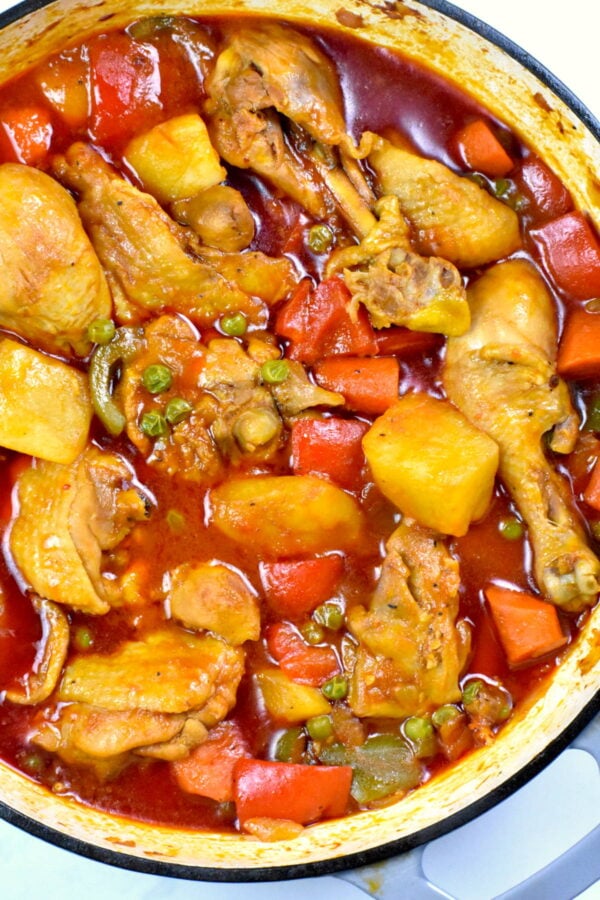
This Chicken Afritada recipe came from a Filipino friend who insisted I had to try making it “the real way.” She walked me through it, and from the very first simmer I knew this dish had that cozy quality Filipino food does so well.
My love for this cuisine actually started years ago in the most unexpected place… a Filipino buffet in Las Vegas. We were there because Noah was born prematurely in Vegas, and one day Jason and I stumbled into this tiny spot with trays of amazing looking stews. One bite and I knew this was a food culture I wanted more of in my life.
Afritada reminds me so much of those days. It’s comforting, colorful and absolutely delicious every single time.
What is Afritada
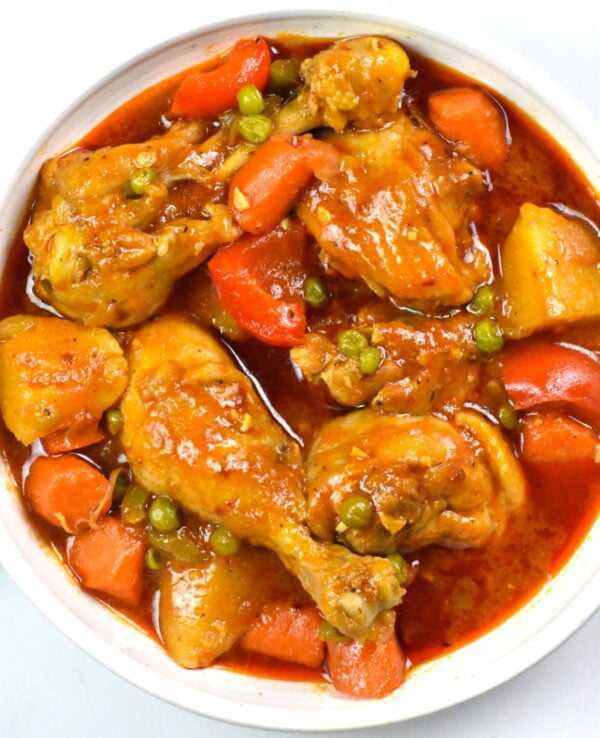
Chicken Afritada, known locally as afritadang manok, is a classic Filipino stew with tender chicken simmered in a savory tomato base alongside potatoes, carrots, peas and bell peppers. Its story begins during the Spanish colonial period, when tomatoes, stewing techniques and new ingredients entered Filipino kitchens. Over time, Filipino cooks reshaped those influences into something distinctly their own.
What I love is how this dish sits in that perfect space between everyday and celebration. It’s regular home cooking in the Philippines, the kind of meal families gather around on busy weeknights, yet it also shows up proudly on Christmas spreads and big get-togethers.
It’s simple, soulful and one of the easiest ways to fall in love with classic Filipino cooking.
Ingredients Needed
I have included all ingredient amounts in the recipe card at the end of this post. Here are things you will need to make my chicken afritada:
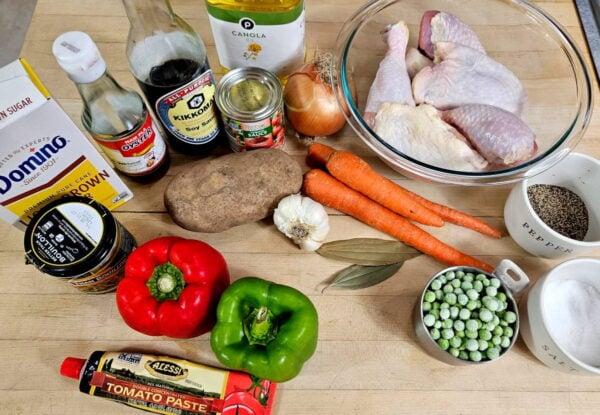
- Chicken – I like using bone-in, skin-on thighs and drumsticks because they give the stew more flavor and keep the meat juicy as it simmers. You can use all thighs if that’s what you have, but I avoid boneless here since the bones really enrich the sauce.
- Oil – Any neutral cooking oil works.
- Potato and Carrots – These are classic in Afritada. I peel and cut them into medium chunks so they keep their shape during the long simmer.
- Onion – A diced onion adds the first layer of savory flavor.
- Garlic – I go generous here.
- Fish sauce – This is one of the keys to Filipino flavors. It adds depth and savory complexity without making the dish taste fishy.
- Soy sauce – The combination of soy sauce and fish sauce is classic in Filipino stews.
- Tomato sauce – This forms the backbone of the dish. It gives that signature bright red gravy.
- Tomato paste – Just a bit adds richness and helps the sauce cling better to the chicken and vegetables.
- Chicken stock – This keeps the stew from drying out and adds extra flavor. If you don’t have stock, water can work.
- Brown sugar – A small amount balances the acidity from the tomato sauce.
- Red chili flakes – Because I like a touch of heat.
- Bay leaves – They give the sauce an extra layer of flavor, and are very common in Filipino stews.
- Bell Peppers – Cut into chunks. I use a mix of red and green, but you can use other colors as well.
- Frozen peas – These go in at the end so they don’t get mushy.
- Salt and Pepper – To taste. A little early on and then adjust at the end once the sauce has reduced.

How to Make Authentic Chicken Afritada
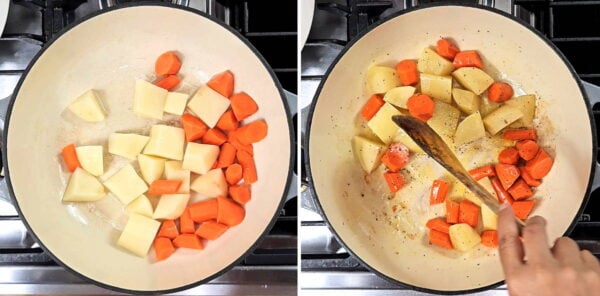
1. Brown the root vegetables: Heat a couple tablespoons of oil in a large, heavy pot over medium-high heat. Add the potato and carrot chunks and season them with a little salt and pepper. Let them cook until the edges pick up a light golden color. This extra step helps them stay intact later instead of turning mushy. Transfer them to a plate and set aside.
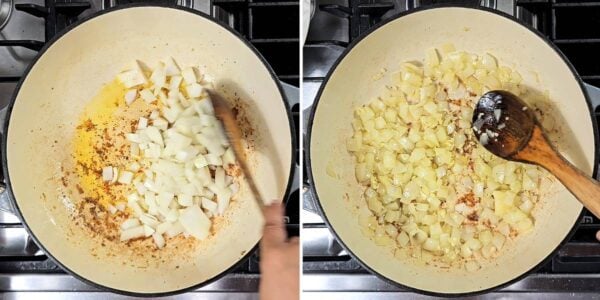
2. Sauté the aromatics: Add the remaining oil to the pot. Stir in the diced onion and cook until it softens and becomes translucent. Add the chopped garlic and give it a short sauté just until it releases its aroma.
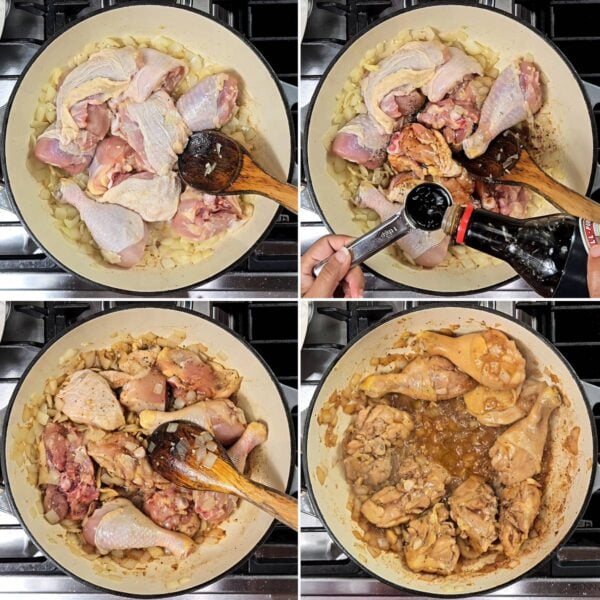
3. Begin cooking the chicken: Add the chicken pieces along with the soy and fish sauces and some more salt and pepper. Cook, stirring from time to time, for 10-15 minutes.
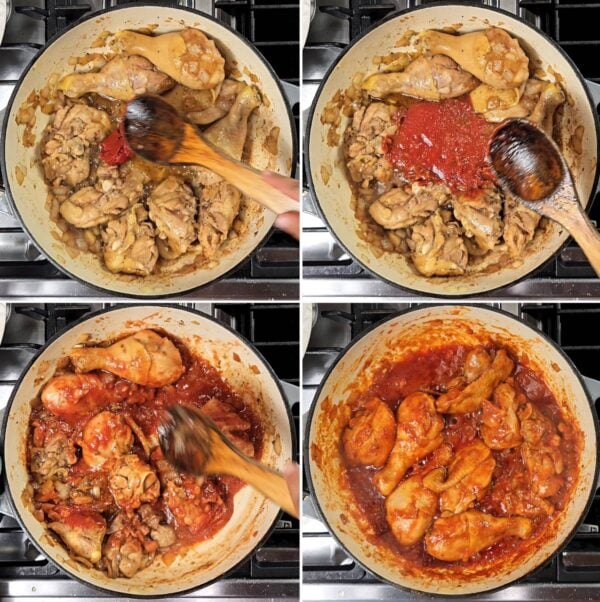
4. Build the tomato base: Stir in the tomato sauce and tomato paste. Mix everything well so each piece of chicken gets coated. Let this cook for about 10 minutes. The tomato base will thicken slightly and the flavors will settle into the chicken.
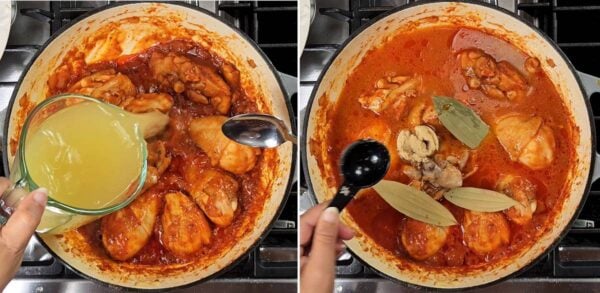
5. Add the liquid and additional seasonings: Pour in the chicken stock to loosen the sauce. Add the brown sugar, red chili flakes and bay leaves. Stir well and simmer for 5-10 minutes.
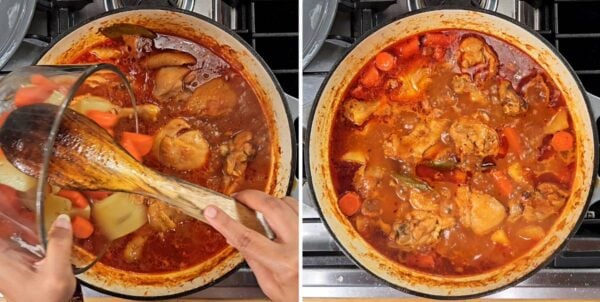
6. Return vegetables, and simmer until tender: Return the potatoes and carrots to the pot, making sure they’re nestled into the sauce instead of sitting on top. Bring the pot to a steady simmer. Cook 35 to 40 minutes uncovered, stirring occasionally, until the chicken turns tender and the vegetables soften fully. The sauce will deepen in flavor as it bubbles away.
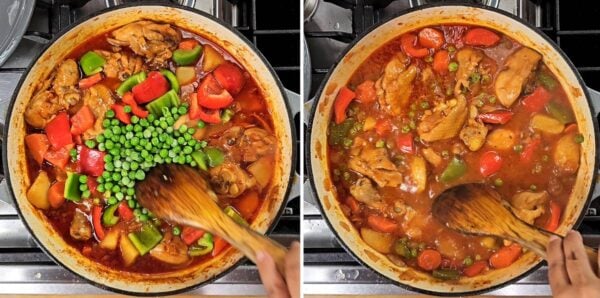
7. Finish with peas and peppers: Add the peas along with the diced green and red bell peppers. Let everything simmer, covered, for 10 to 15 more minutes. The peppers will soften, the peas will warm through and the sauce will continue to reduce.
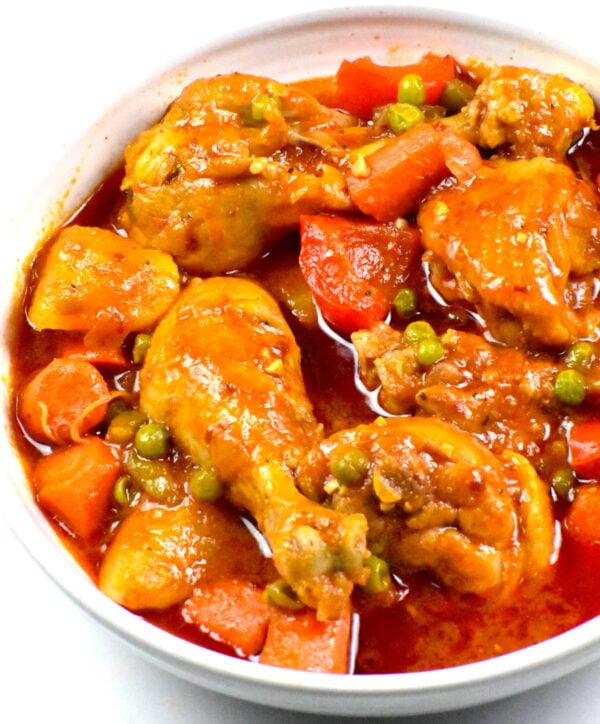
7. Adjust and serve: Give the sauce a taste and adjust with salt and pepper to your liking. Serve your Chicken Afritada hot, along with a mound of rice.
Alpana’s Tips
- Use bone-in chicken: It releases more flavor into the sauce and gives you that fuller, rounder taste Afritada is known for.
- Simmer gently, not rapidly: A slow, steady bubble keeps the chicken tender and the sauce from reducing too quickly.
- Taste and adjust: A small pinch of sugar balances the tomato. More chili flakes bring a little extra kick if you want it. It’s your stew, tweak it to your liking.
- Add peppers at the end: This keeps them bright and prevents them from going mushy.
- Customize the consistency: You’ll notice that except for a few short steps, I mostly cook this stew uncovered. This turns out just how I like it. If you prefer a thinner consistency, you can cover for part of the time after adding the potatoes and carrots back in. Likewise, if you want it even thicker, leave the cover off after adding the peas and pepper.
What is the Difference Among Afritada, Kaldereta and Menudo?
Afritada, Kaldereta and Menudo may look like cousins in the pot, but each one has its own distinct soul.
Afritada is the gentlest of the three. It traditionally uses chicken, simmered in a bright tomato sauce with potatoes, carrots, peas and bell peppers. Its flavor stays clean and homey, relying on tomato sauce, soy sauce and fish sauce rather than heavier enrichers.
Kaldereta carries a much richer personality. The sauce is thicker because it’s cooked with liver spread, and in some regions even peanut butter or shredded cheese for extra depth. It leans toward pork, goat or beef rather than chicken, and often has olives or a bit of heat. The overall flavor is more savory and robust, which is why it’s a favorite for fiestas and special gatherings.
Menudo looks visually close to Afritada, but tastes sweeter and more festive. It uses small pieces of pork, and often pork liver. Many Filipino households add garbanzo beans, raisins and even sliced hot dogs.
Some folks also include Mechado when comparing these stews. Mechado brings a slight tang thanks to vinegar or calamansi, and it’s more commonly made with beef or pork.
Although all of these dishes share tomato sauce as their base, it’s the added ingredients that make each one unique.
Storing and Reheating
Chicken Afritada stores beautifully. I store leftovers in an airtight container in the fridge and they’re great for up to three days. The sauce thickens a bit as it sits, which makes it even more flavorful the next day. Reheat gently on the stovetop with a splash of water or stock if it needs loosening.
For longer storage, I cool it completely, pack it into freezer-safe containers and freeze. Because the potatoes lose their texture when frozen for a long time, I recommend freezing no longer than one month. Thaw overnight in the fridge before reheating.
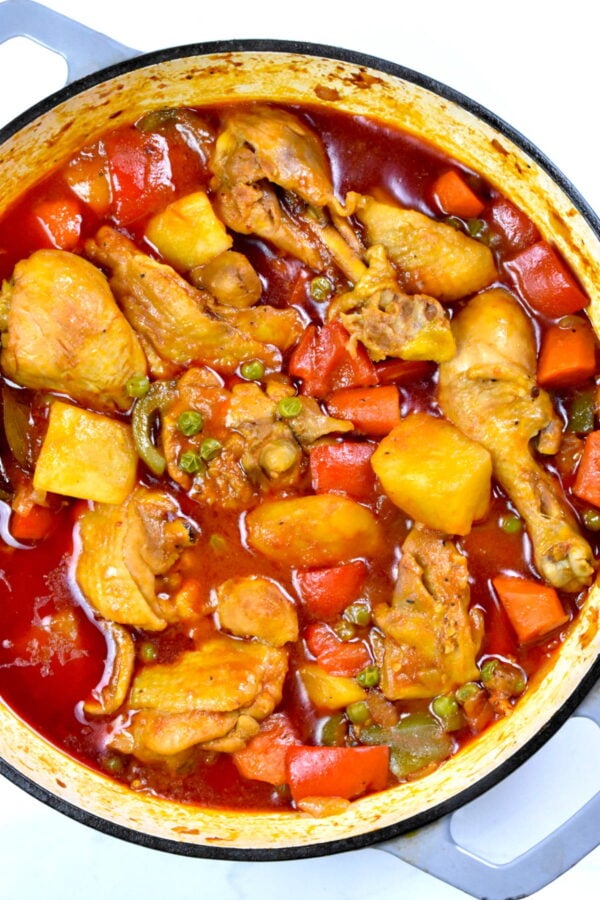
Every time I make Chicken Afritada, I’m reminded why it’s such a beloved dish in Filipino homes. It’s colorful, deeply comforting and made with simple ingredients that turn into something truly special in the pot.
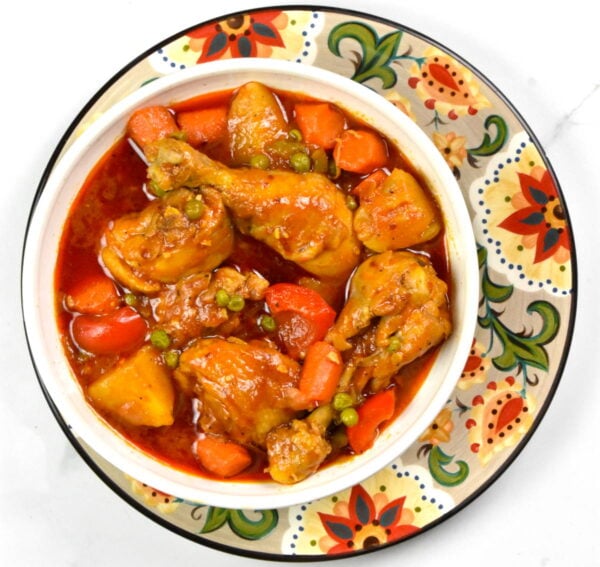
Chicken Afritada, on our Gypsy Plate… enjoy!
More great Filipino food:
Beef Kaldereta
Chicken Adobo
Filipino Spaghetti
Bistek Tagalog
Arroz Caldo
Giniling
Pancit
Recipe Video

Chicken Afritada
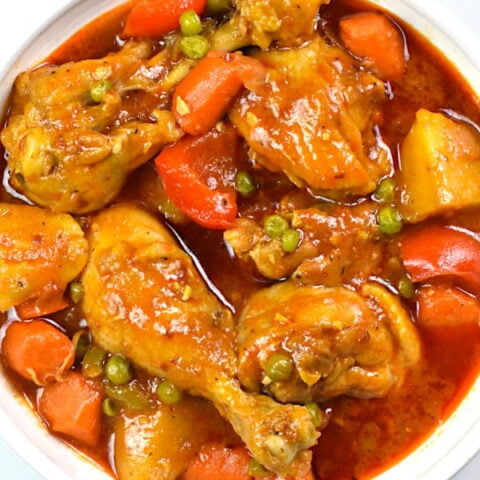
Cozy, flavorful Chicken Afritada simmered in a rich tomato sauce with veggies, soy, and fish sauce. A comforting Filipino classic perfect for any night.
Ingredients
- 4 tablespoons oil, divided
- 1 large potato, peeled and cut into chunks
- 2 large carrots, peeled and cut into chunks
- salt, to taste
- pepper, to taste
- 1 large onion, diced
- 5-6 garlic cloves, finely chopped
- 2.5 pounds chicken (we use bone-in, skin on chicken thighs and drumsticks)
- 2 tablespoons fish sauce
- 2 tablespoons soy sauce
- 8oz tomato sauce
- 2 tablespoons tomato paste
- 2 cups chicken stock
- 1 tablespoon brown sugar
- ½-1 teaspoon red chili flakes
- 2 bay leaves
- 1 cup frozen peas
- 1 green bell pepper, cut into chunks
- 1 red bell pepper, cut into chunks
Instructions
- Heat 2 tablespoons oil in a large, heavy pot over medium-high heat. Add the potatoes and carrots, season with salt and pepper and cook until the edges take on a light golden color. This helps them hold their shape later. Transfer them to a plate.
- Add the remaining oil to the pot. Add the onion and cook until it softens and starts turning translucent. Stir in the garlic and let it cook just long enough to release its aroma.
- Add the chicken pieces, a dash of salt and pepper, and the fish sauce and soy sauce. Coat everything well and let the mixture cook for about 10-15 minutes.
- Stir in the tomato sauce and tomato paste. Mix everything well so each piece of chicken gets coated. Let this cook for about 10 minutes. The tomato base will thicken slightly and the flavors will settle into the chicken.
- Pour in the chicken stock and add the brown sugar, chili flakes and bay leaves. Cover and simmer for 5-10 minutes.
- Return the potatoes and carrots to the pot. Cook for 35 to 40 minutes, uncovered, checking and stirring occasionally.
- Add the peas along with the green and red bell peppers. Continue simmering, this time covered, for 10 to 15 minutes, until the peppers soften.
- Taste and adjust with salt and pepper as needed. Serve warm with rice.
Notes
- Use bone-in chicken: It releases more flavor into the sauce and gives you that fuller, rounder taste Afritada is known for.
- Simmer gently, not rapidly: A slow, steady bubble keeps the chicken tender and the sauce from reducing too quickly.
- Taste and adjust: A small pinch of sugar balances the tomato. More chili flakes bring a little extra personality if you want it. It’s your stew, tweak it to your liking.
- Leftovers: Chicken Afritada stores beautifully. I store leftovers in an airtight container in the fridge and they’re great for up to three days. The sauce thickens a bit as it sits, which makes it even more flavorful the next day. Reheat gently on the stovetop with a splash of water or stock if it needs loosening.
- Freezing: For longer storage, I cool it completely, pack it into freezer-safe containers and freeze. Because the potatoes lose their texture when frozen for a long time, I recommend freezing no longer than one month. Thaw overnight in the fridge before reheating.
Nutrition Information
Yield 6 Serving Size 1Amount Per Serving Calories 643Total Fat 35gSaturated Fat 8gUnsaturated Fat 28gCholesterol 176mgSodium 1101mgCarbohydrates 26gFiber 4gSugar 11gProtein 52g
Nutrition information is automatically calculated, so should only be used as an approximation.

Welcome to GypsyPlate! I'm Alpana, former worldwide tour manager and professional caterer, now full time blogger. I love exploring cuisines from around the world, and my recipes have been featured on sites such as MSN, Parade, Brit + Co, CNET and AOL. You can explore my entire collection of sortable recipes in my Recipe Index or learn more about me here.
Get griddling! Try these Blackstone Recipes!
Never miss a recipe!
Join the GypsyPlate mailing list and get easy dinner recipes right in your mailbox. From homestyle comfort food to exotic dishes from around the world.