The magic of Jamaican Curry Goat begins long before the first bite. This curry starts with a simple idea: marinate the meat well, toast the curry spices, and let everything simmer slowly until the goat becomes tender and the sauce turns rich and fragrant.
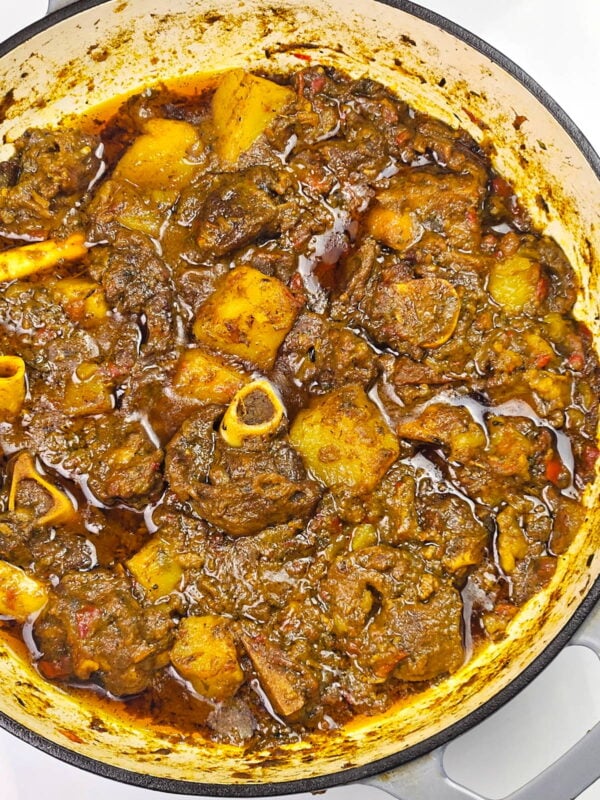
Goat has always been a special meat in my family. Growing up in India, my mom would often cook slow simmered goat curries for family meals and gatherings. So whenever I cook goat today, it instantly takes me back to those meals around the table. That’s probably why Jamaican Curry Goat feels so familiar to me. The ingredients may be Caribbean, but the idea is very close to the way we cook goat back home.
I love exploring Caribbean curries in my kitchen, and a few of them have already become reader favorites on GypsyPlate, like my Jamaican Curry Chicken and Curry Shrimp. But curry goat really shines when you give it time.
Curries In Jamaican Cuisine
When most people think of curry, they often picture Indian food first. But curries are also deeply rooted in Caribbean cooking, especially in Jamaica. The reason goes back to the 19th century, when many Indians were brought to the Caribbean as indentured laborers. They carried their cooking traditions, spices, and techniques with them, and those flavors blended with local Caribbean ingredients.
Over time, curry became an essential part of Jamaican cuisine, where it developed its own personality. The spices are often “burned” or toasted in oil at the start of cooking, which wakes up the flavors, and they rely heavily on local aromatics like scallions, fresh thyme, and the famous scotch bonnet pepper.
Today you’ll find many different Jamaican curry dishes. Curry chicken, curry shrimp, curry goat, and curry vegetables are all common across the island.
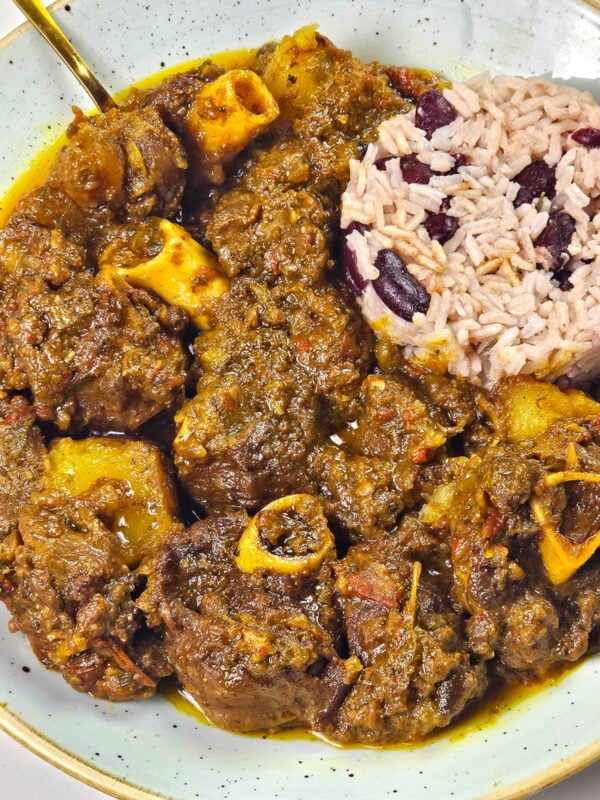
Jamaican Curry Goat
Among all those curries, Curry Goat is probably the most iconic and celebratory. It’s especially popular at gatherings, Sunday meals, weddings, and community celebrations.
Goat works beautifully in slow cooked curries because the meat becomes incredibly tender as it simmers. The long cooking time allows all those spices, herbs, and aromatics to deeply flavor the meat. By the time it’s done, the curry develops into a thick, rich gravy that coats every piece.
Ingredients You’ll Need
I have included ingredient amounts in the recipe card at the end of this post. Here are the things you’ll need to make this goat curry:
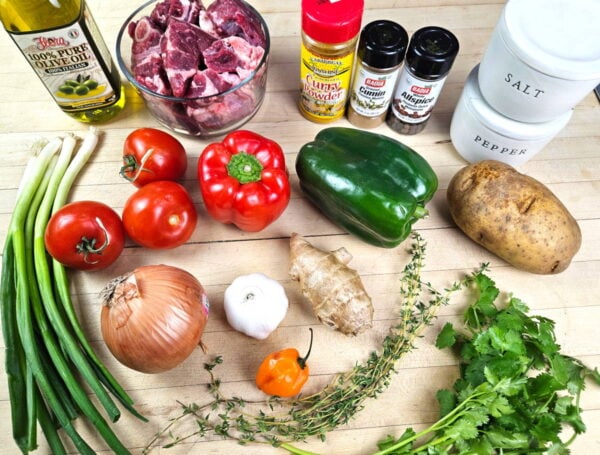
- Goat – Goat is the star of this dish. I prefer bone-in goat cut into large chunks, as the bones add extra flavor while the curry slowly simmers. You probably can’t find it at your nearby supermarket, but check Indian or Caribbean grocery stores, or even local farms.
- Curry powder – Jamaican curry powder gives this dish its signature golden color and warm spice flavor. I am adding it to the marinade and also toast some in the oil when starting the curry. That quick toasting step really deepens the flavor.
- Onion – Diced onion helps build the base of flavor for the marinade and the curry.
- Scallions – Scallions are a staple in Caribbean cooking.
- Garlic and ginger – This aromatic pair is essential. Please use freshly chopped.
- Tomatoes – Chopped tomatoes help create a little body in the curry and add a mild sweetness.
- Bell peppers – I use both green and red bell peppers, but use any colors you have on hand.
- Fresh herbs – A few sprigs of thyme, which is essential in Jamaican food, along with a handful of chopped cilantro.
- Scotch bonnet pepper – Scotch bonnet gives the curry its signature heat and fruity aroma. These peppers are quite hot, so I adjust the amount depending on how spicy I want the curry. If you can’t find scotch bonnet, habanero is the best substitute, but you can also use jalapeno or serrano,
- Cumin – Just a little cumin adds extra depth to the spice blend.
- Allspice (pimento berries) – These are very traditional in Jamaican cooking. They’re optional, but nice to include if you have them.
- Olive oil – I use olive oil for sautéing the curry spices and searing the goat, though any neutral cooking oil works just fine.
- Potatoes – Potatoes are often added to Jamaican curry goat. I like how they soak up that flavorful curry gravy and make the dish even more hearty. I use Russet.
- Salt and pepper – Simple seasoning that brings everything together.
- Water – I add water to help make the curry sauce and allow the goat to slowly simmer until tender. If the curry starts getting too thick while cooking or starts to stick at the bottom, I just add a little more as needed.

How To Make Jamaican Curry Goat
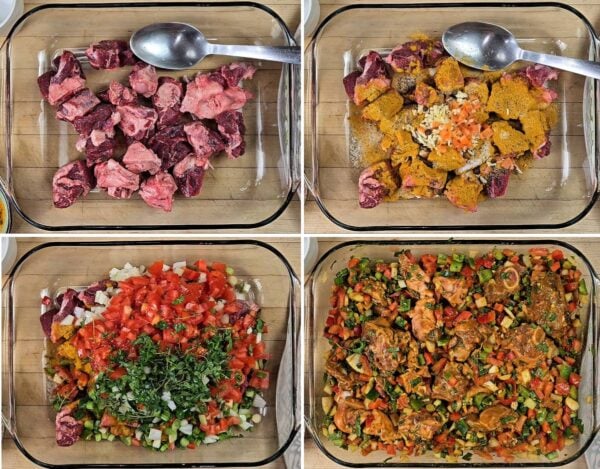
1. Start by marinating the goat: In a large bowl, combine the goat pieces with curry powder, onion, scallions, garlic, ginger, tomatoes, bell peppers, cilantro, thyme, scotch bonnet, cumin, salt, pepper, allspice berries, and olive oil. Mix everything really well so the goat is fully coated with all those spices and aromatics. Cover the bowl and let it marinate in the refrigerator overnight if possible. If you’re short on time, try to give it at least 4–6 hours. The longer it marinates, the deeper the flavor will be.
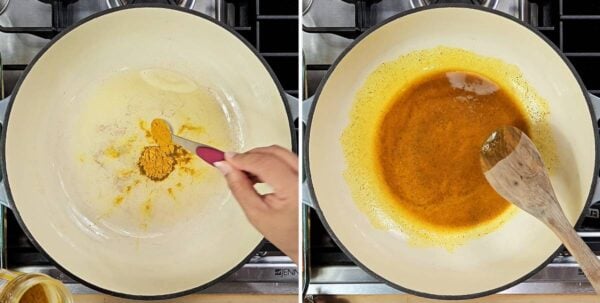
2. Bloom the curry: When you’re ready to cook, heat olive oil in a large Dutch oven over medium high heat. Stir in the curry powder and keep stirring it in the oil for about 30–40 seconds. This step is called “burning the curry” in Jamaican cooking, and it really helps release the flavor of the spices.
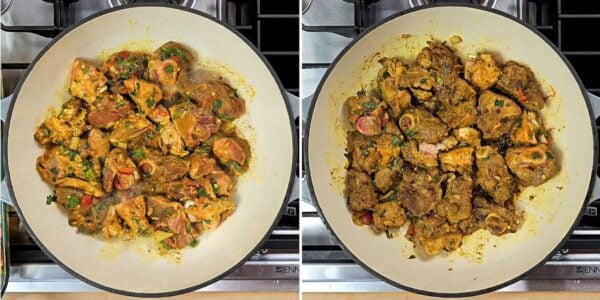
3. Sear goat chunks: Take the goat pieces out of the marinade and add them to the pot. Let them sear for about 4–5 minutes per side until they get a nice color on the outside.
4. Cook a few minutes with the marinade: Once the meat is seared, add the rest of the marinade, including all those veggies, into the pot. Give everything a good mix, cover, and let it cook for about 10 minutes so the aromatics start breaking down and the flavors begin to build.
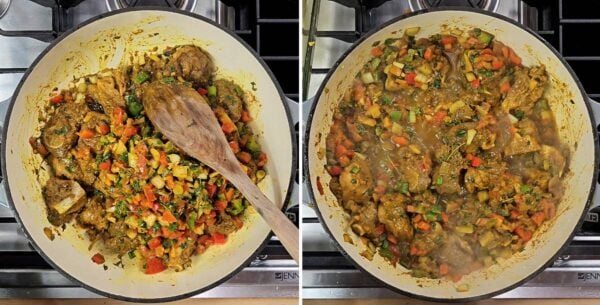
5. Add water, then simmer: Now add about 1 to 1½ cups of water and mix well. Reduce the heat to medium-low, cover the pot, and let the curry simmer slowly for about 1½ to 2 hours. Stir occasionally while it cooks. Goat takes time to become tender, but that slow simmer is exactly what develops the rich flavor of the curry. If you notice the sauce getting too thick or starting to stick to the bottom, just add a little more water.
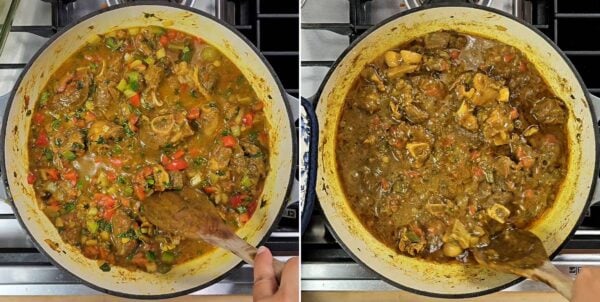
6. Finish with potatoes: Once the goat is starting to get tender, add the potatoes. Continue cooking until the potatoes are soft and the goat is fall-apart tender.
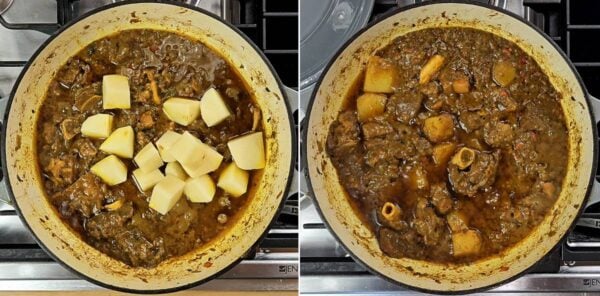
That’s it, you goat curry is ready to serve!
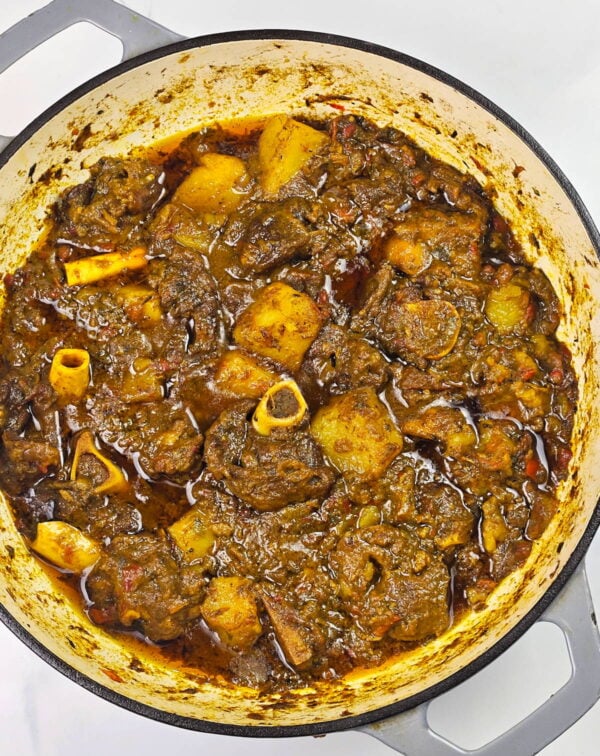
I recommend a side of Jamaican Rice and Peas, though white rice also goes great, and some sautéed Jamaican Cabbage.
Alpana’s Tips
- Marinate as long as you can: Goat really benefits from a long marinade. If I have the time, I always marinate it overnight. It gives the spices and aromatics time to really penetrate the meat.
- Don’t skip burning the curry: Toasting the curry powder in oil for 30–40 seconds might seem like a small step, but it’s very traditional in Jamaican cooking. It deepens the flavor and removes any raw spice taste.
- Low and slow is the key: Goat takes longer to cook than chicken or beef. I just let it gently simmer until the meat becomes tender.
- Watch the sauce while it cooks: As the curry simmers, it can thicken or start sticking to the bottom of the pot. I simply add a splash of water whenever needed and give it a stir.
- Let the curry rest a little: Like many curries, this one actually tastes even better after sitting for a bit. The flavors continue to deepen, and the sauce thickens beautifully.
Leftovers & Storage
Store leftovers in an airtight container in the refrigerator for up to 3–4 days. The flavors deepen overnight and the curry becomes even richer. Reheat gently on the stovetop or in the microwave. If the curry has thickened too much, just add a splash of water while warming it up to loosen the sauce.
For longer storage, let it cool completely, then freeze it in freezer-safe containers for up to 3 months.
Variations
- Adjust the heat: Scotch bonnet peppers are very spicy. For a milder curry, add the pepper whole and remove it before serving instead of chopping it.
- Add more vegetables: Some people like adding carrots or extra potatoes to stretch the curry and soak up more of that flavorful gravy.
- Pressure cooker option: If you’re short on time, the curry goat can also be made in a pressure cooker or Instant Pot. The cooking time drops significantly while still producing tender meat.
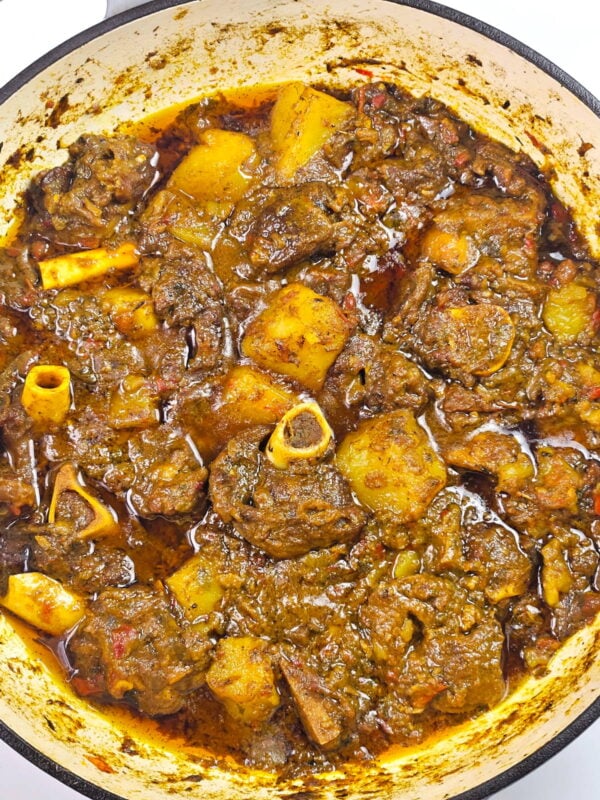
Curry Goat is one of those recipes that really benefits from patience. Goat takes time to cook, but that slow simmer allows all those Caribbean aromatics and spices to work their magic. By the end, the meat becomes fall-apart tender and the sauce develops amazing flavors.
Now that you know all about it, it’s time to make a big pot of this incredible curry. Slow simmered goat, warm Caribbean spices, tender potatoes, and that rich golden gravy… this is comfort food with serious flavor. Grab some rice, and dig in.
More great Caribbean Recipes:
Trinidadian Curry Chicken
Jamaican Pepper Steak
Bahamian Boiled Fish
Brown Stew Chicken
Jerk Chicken
Recipe Video

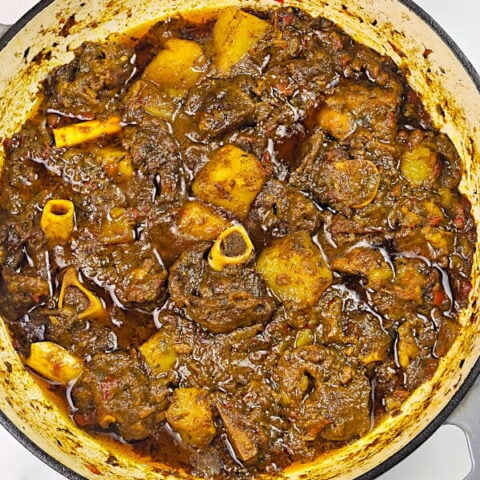
Jamaican Curry Goat
This Jamaican Curry Goat is slow simmered until tender with bold Caribbean spices and rich flavor. A comforting, hearty dish perfect with rice and classic island sides.
Ingredients
Goat Marination
- 2 pounds goat meat, cut into large chunks
- 3 tablespoons curry powder
- 1 medium onion, diced
- 5 scallions, chopped
- 5-6 garlic cloves, chopped
- 1 tablespoon fresh ginger, chopped
- 2 medium tomatoes, chopped
- 1 green bell pepper, chopped
- 1 red bell pepper, chopped
- ¼ cup cilantro, chopped
- 10 sprigs of fresh thyme, chopped (or 1 teaspoon dried thyme)
- 1 scotch bonnet pepper, chopped (see note)
- ½ teaspoon cumin
- 1 teaspoon salt
- ½ teaspoon black pepper
- 6-7 allspice pimento berries (optional)
- 2 tablespoons olive oil
Curry
- 2 tablespoons olive oil
- 2 teaspoon curry powder
- 2 potatoes, cut into large chunks
- 1 cup water + more if needed
- Salt, to taste
Instructions
- In a large bowl, mix all the marination ingredients with the goat. Mix well so the meat is fully coated. Cover with cling wrap and marinate overnight, or at least 4–6 hours, in the refrigerator.
- Heat olive oil in a large Dutch oven over medium-high heat and stir in curry powder. Keep stirring for 30–40 seconds to toast the spices.
- Take only the goat pieces from the marinade mixture and place them in the pot. Cook 4–5 minutes per side until they get a nice sear all over.
- Add the remaining marinade to the pot and mix well. Cover and let it cook for about 10 minutes so the flavors start developing.
- Add salt and about 1 to 1½ cups water. Mix well, cover, and let it cook on medium-low heat for about 1½ to 2 hours, stirring occasionally, until the goat starts becoming tender. If the curry starts sticking to the bottom or getting too thick, add a little more water as needed.
- Add the potatoes and continue cooking until the potatoes are soft and the goat is fall-apart tender.
- Serve over a plateful of Jamaican Rice and Peas or plain white rice.
Notes
- If you cannot find scotch bonnet peppers, habanero is the best alternative.
- Scotch bonnet peppers are quite hot, so use them according to your heat tolerance. I add ½ to 1 whole scotch bonnet, cut into pieces, depending on how spicy I want the curry. Take caution when cutting these peppers, and wash your hands thoroughly after handling them. If you want the signature flavor without too much heat, you can add the pepper whole and uncut while the curry cooks, then remove it before serving.
- If you’re short on time, the curry goat can also be made in a pressure cooker or Instant Pot. The cooking time drops significantly while still producing tender meat.
- Store leftovers in an airtight container in the refrigerator for up to 3–4 days. The flavors deepen overnight and the curry becomes even richer. Reheat gently on the stovetop or in the microwave. If the curry has thickened too much, just add a splash of water while warming it up to loosen the sauce.
Nutrition Information
Yield 6 Serving Size 1Amount Per Serving Calories 420Total Fat 16gSaturated Fat 3gUnsaturated Fat 13gCholesterol 115mgSodium 516mgCarbohydrates 26gFiber 8gSugar 5gProtein 45g
Nutrition information is automatically calculated, so should only be used as an approximation.

Welcome to GypsyPlate! I'm Alpana, former worldwide tour manager and professional caterer, now full time blogger. I love exploring cuisines from around the world, and my recipes have been featured on sites such as MSN, Parade, Brit + Co, CNET and AOL. You can explore my entire collection of sortable recipes in my Recipe Index or learn more about me here.
Get griddling! Try these Blackstone Recipes!
Never miss a recipe!
Join the GypsyPlate mailing list and get easy dinner recipes right in your mailbox. From homestyle comfort food to exotic dishes from around the world.